Before "superfood" was a label printed on a box, India already had an entire pantry of ingredients doing the job - quietly, without a marketing team, for centuries. Some of them, like cottonseed milk, never even made it out of the villages that perfected them. It's time they did.
The Flavours India Forgot to Market
1. Paruthi Paal (Cottonseed Milk)
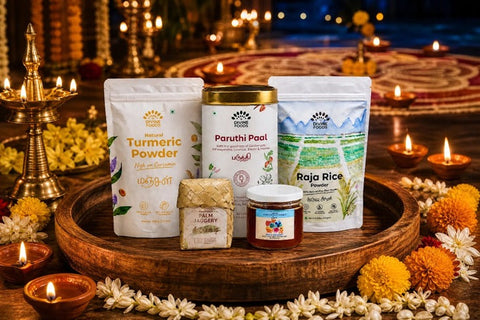
A winter specialty from Tamil Nadu, Paruthi Paal is made by extracting milk from soaked cottonseeds, simmered with jaggery and cardamom into a thick, warming drink traditionally served during colder months. It's rarely found outside the state, largely because the extraction process is labour-intensive - but the result is a genuinely unique, nutty, slightly sweet flavour unlike anything in the mainstream milk-alternative space. Traditionally believed to provide warmth and energy through winter, it remains one of India's least-known seasonal specialties.
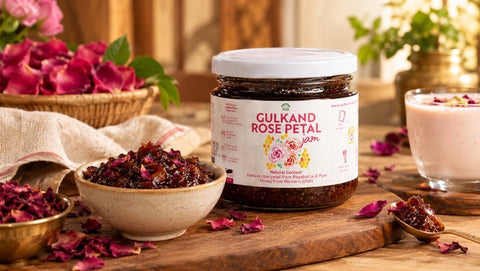
2. Gulkand
Sun-fermented rose petals preserved in sugar or jaggery, Gulkand has been part of Ayurvedic cooling remedies for centuries - traditionally eaten as a small spoonful after meals or during peak summer heat. Its cooling reputation isn't just folklore; rose has long been associated with a soothing effect on digestion, which is exactly why it became a staple filling in paan and a common summer remedy long before "adaptogen" entered the wellness vocabulary.
3. Palm Jaggery: India's Deep, Caramel-Like Sweetness
Before refined sugar became a pantry staple, Indian kitchens relied on several traditional sweeteners.
One of the most distinctive is palm jaggery.
Its deeper flavour and characteristic aroma make it particularly suited to traditional Indian sweets and beverages.
Divine Foods Palm Jaggery can be used in recipes such as:
Pongal, Payasam, Kozhukattai, Traditional sweets, Homemade beverages, Desserts, Festive recipes.
It works especially well with coconut, cardamom, sesame and roasted nuts.
And there is something satisfying about using an ingredient that feels connected to the food traditions of the region.
4. Palm Sugar: A Traditional Ingredient for Modern Kitchens
Another ingredient worth rediscovering is palm sugar.
While palm jaggery and palm sugar are related traditional sweeteners, their form, texture and processing can differ.
At Divine Foods, Palm Sugar offers a convenient option for experimenting with traditional sweetness in contemporary recipes.
Try it in: Tea, Coffee, Desserts, Baking, Traditional sweets, Homemade drinks.
But remember, palm sugar is still a source of sugar.
“Traditional” doesn't mean “unlimited.”
Enjoy it for its flavour and culinary character.
5. Palm Candy: Small Pieces, Big Nostalgia
Sometimes the simplest foods are the ones people remember most.
Palm Candy is one of them.
These traditional sweet pieces can be enjoyed on their own or used creatively in drinks and desserts.
Keep a small bowl beside your tea or coffee.
Use it to sweeten a warm beverage.
Or incorporate it into festive recipes.
For many people, traditional sweeteners aren't simply ingredients.
They're nostalgia you can taste.
6. Coconut Sugar: A Familiar Ingredient With a Contemporary Identity
Coconut has always been central to Indian cooking.
It appears in chutneys, curries, sweets, rice dishes and festive preparations across the country.
Divine Foods Coconut Sugar takes inspiration from that familiar ingredient and brings it into a modern pantry.
Use it where its flavour works well in:
- Desserts
- Homemade granola
- Beverages
- Baking
- Traditional-inspired sweets
It can be particularly interesting when paired with coconut, cinnamon, cardamom or cocoa.
Again, the important point is balance.
Coconut sugar is still sugar.
The smarter choice isn't finding a magical sweetener. It's understanding what you're eating.