Karur Moringa
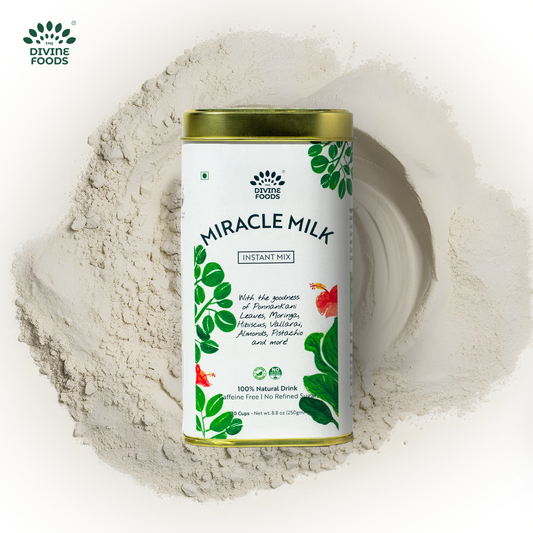
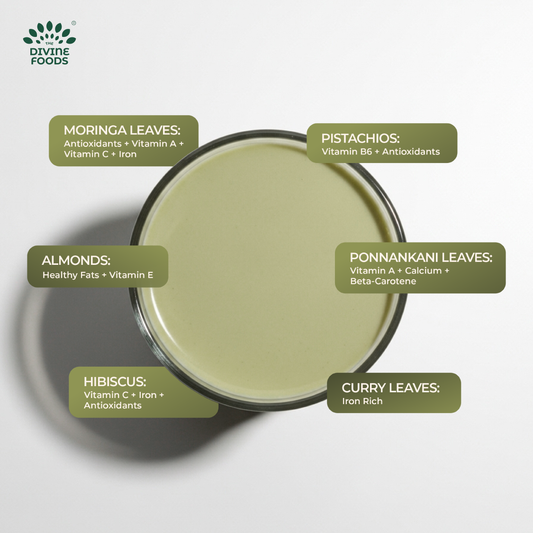


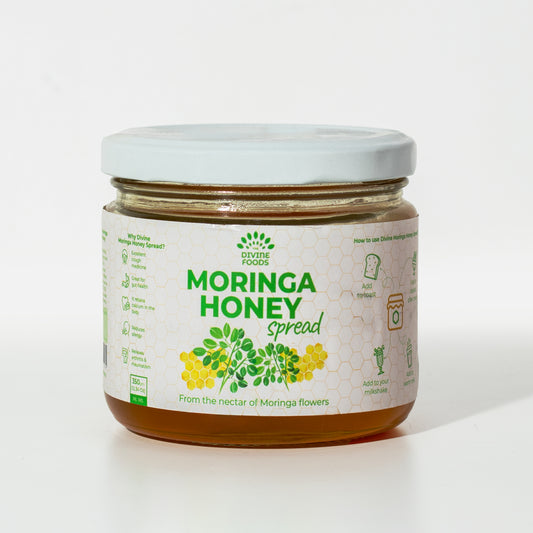
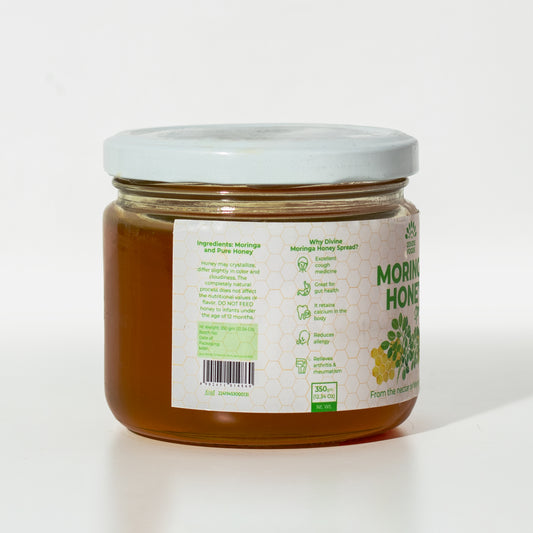
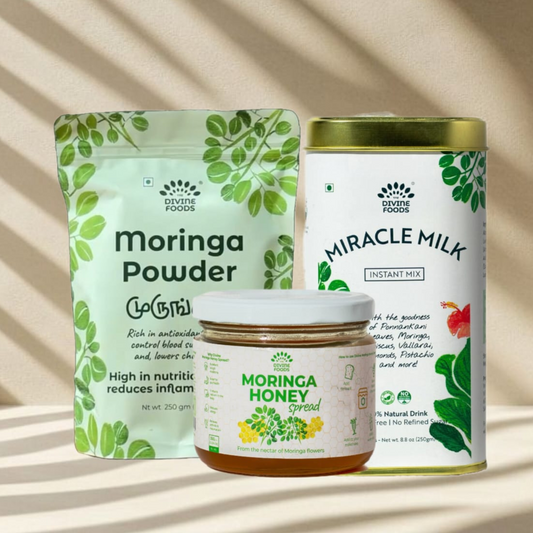
Divine Mom and Kid Moringa Combo with Natural Goodness (Miracle Mix +Moringa Powder + Moringa Honey)
- Featured
- Most relevant
- Best selling
- Alphabetically, A-Z
- Alphabetically, Z-A
- Price, low to high
- Price, high to low
- Date, old to new
- Date, new to old
From Tamil Nadu Farms to Your Kitchen
Moringa Powder from Karur
Moringa Grown in Karur, Tamil Nadu
Moringa grows across India but the mineral profile varies considerably with soil and climate. Karur district produces leaves with a strong iron and calcium content, which is why we source there rather than buying on the open market. Known as murungai keerai in Tamil and drumstick leaf in English, it has been a normal part of South Indian cooking for centuries, well before it was marketed anywhere as a superfood.
What Is in the Collection
Plain moringa powder is the main product, dried leaf ground with nothing added. Miracle Milk is the ready to drink version, a moringa led milk mix that is easier to take daily than plain powder because the taste is handled. The Mom and Kid combo pairs Miracle Milk with a child appropriate product. For anyone who finds plain moringa too grassy, the milk mix is the practical route, and the moringa content is the same.
Why Sourcing Region Matters
Moringa leaf draws its mineral content from the soil it grows in, so the same plant grown in two districts can test quite differently. Karur's conditions produce leaves with the profile we want. Leaves are harvested, shade dried rather than sun dried, and ground in small batches. Shade drying takes longer but protects the chlorophyll and vitamin content, which is why our powder is dark green rather than the yellowish green you get from heat dried leaf. Nothing is added, no filler, no anti caking agent, no colour.
Taking It Without Giving Up After a Week
Moringa is potent and the taste is genuinely grassy, which is why most people who buy plain powder stop using it. Start with half a teaspoon rather than a full one. Mix it into buttermilk, a smoothie, dal or sambar rather than plain water, where the taste has nowhere to hide. Some people get mild digestive upset in the first week at higher doses, which settles. It is particularly useful for anyone with low iron, which includes a large share of Indian women. Pregnant women should check with their doctor first, since moringa root and bark are contraindicated in pregnancy even though the leaf is generally considered safe.
Related Collections and Reading
Powdered Superfoods covers the full single ingredient powder range. Women's Wellness groups the iron and hormonal support products. Divine Milk Mixes covers Miracle Milk alongside the other drinks. Jackfruit from Panruti and Amla from Yercaud are the other single origin ingredient pages. On the blog we have a practical guide on how to use moringa powder, which covers doses and what to mix it into. Our team in Salem can tell you the harvest window on a current batch.
Why People Quit Moringa and How Not To
Most people who buy plain moringa powder stop within three weeks, and the reason is always the same, they mixed it into water. The taste is strongly grassy and water gives it nowhere to hide. Buttermilk, a fruit smoothie, dal or sambar all mask it well while keeping the nutrition intact. The other reason people quit is starting at a heaped teaspoon, which causes mild digestive upset for a lot of people in the first week. Half a teaspoon for the first fortnight, then build. If neither works for you, Miracle Milk delivers the same moringa in a formulation designed to taste like a drink.
Frequently Asked Questions
Question: How much moringa should I take daily?
Answer: Start at half a teaspoon and build to one to two teaspoons over a few weeks. More is not better.
Question: Is moringa safe during pregnancy?
Answer: Moringa leaf is generally considered safe, but root and bark are not, and standards vary. Check with your doctor before starting during pregnancy.
Question: Will it help with low iron?
Answer: Moringa is one of the densest plant iron sources available, and taking it alongside a vitamin C source such as amla improves absorption significantly. For diagnosed anaemia it supports treatment rather than replacing it.
Question: Why does the taste vary between brands?
Answer: Drying method mostly. Shade dried leaf keeps more chlorophyll and tastes greener and fresher. Heat dried leaf tastes flatter and often slightly bitter.