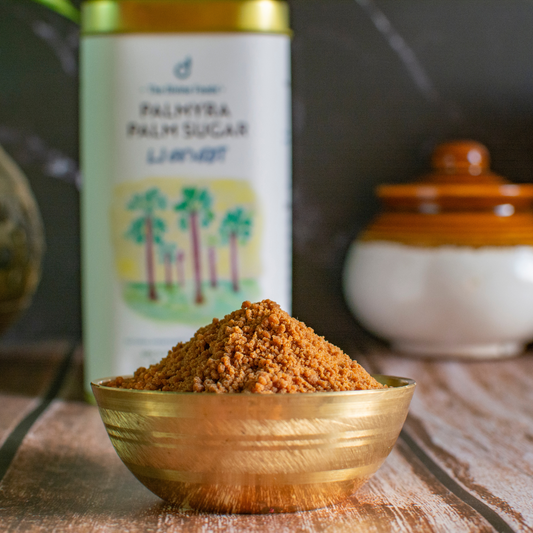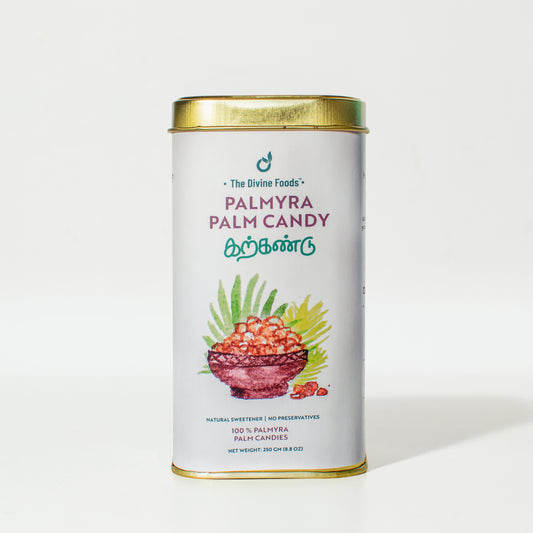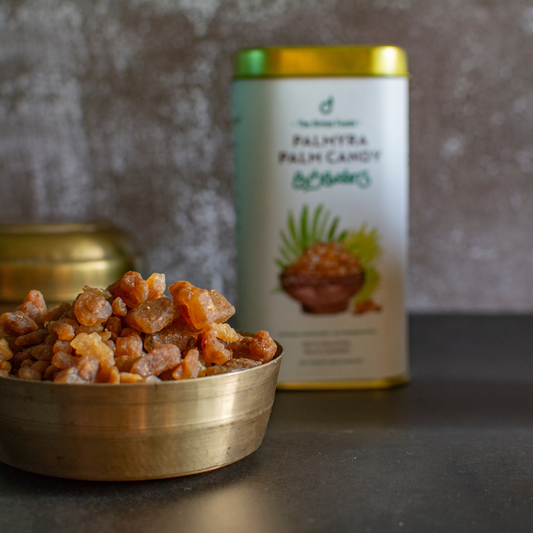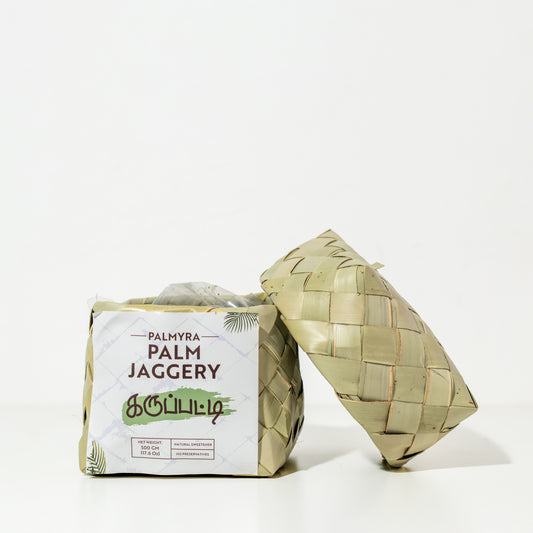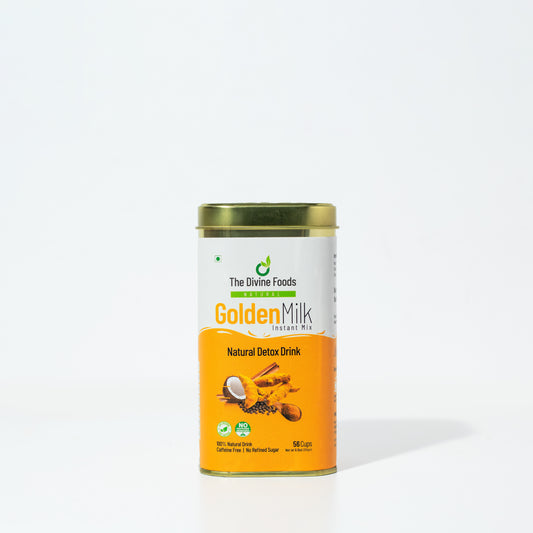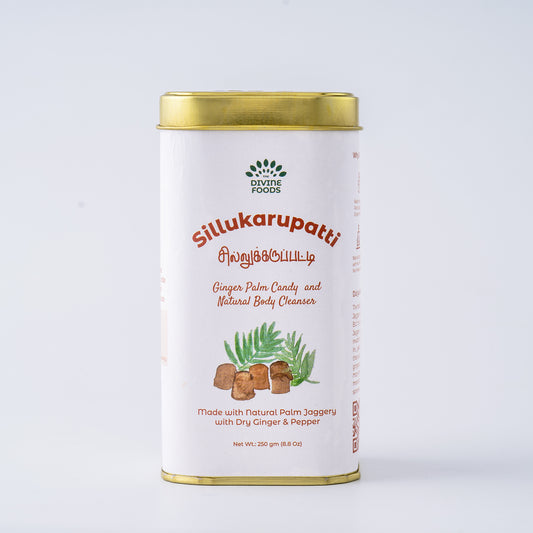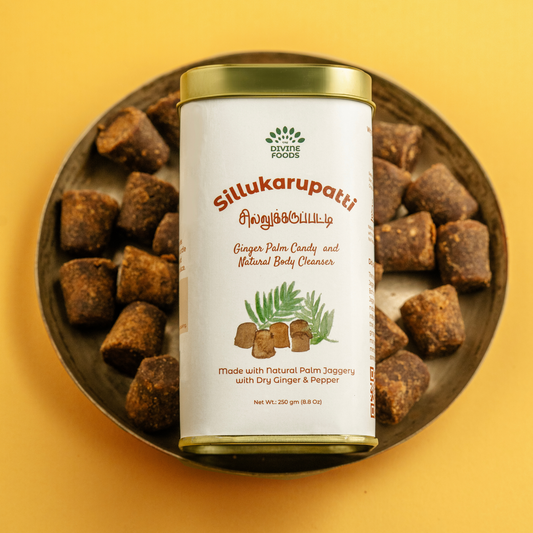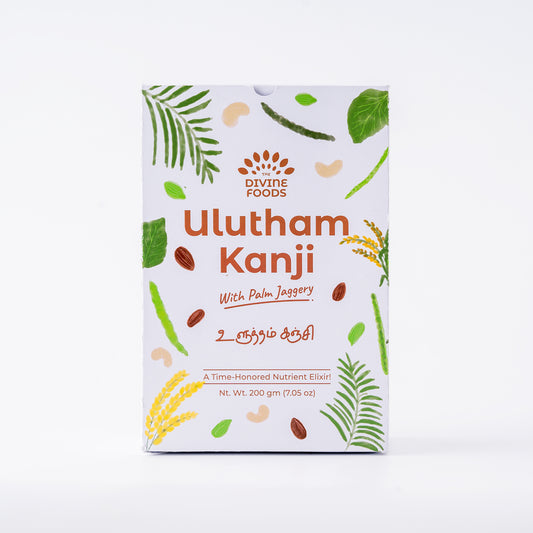
Tuticorin Palm Sweetner
Swap refined white sugar for natural sweeteners that your body recognises. This collection brings together Tuticorin's finest unrefined palm products, palm jaggery, palm sugar, palm candy and coconut sugar, each harvested in partnership with local organic farmers. Unlike refined sugar, these natural sweeteners carry minerals like iron and have a lower glycemic index, making them a smarter choice for everyday cooking, tea, coffee and baking. Nothing here is bleached, chemically treated or stripped of nutrition. If you are managing blood sugar, cutting back on processed sugar, or simply want cleaner ingredients in your kitchen, our range of natural sweeteners gives you authentic taste with traditional goodness. Explore the collection and make the natural switch.
- Featured
- Most relevant
- Best selling
- Alphabetically, A-Z
- Alphabetically, Z-A
- Price, low to high
- Price, high to low
- Date, old to new
- Date, new to old
From Tamil Nadu Farms to Your Kitchen
Natural Sweeteners from Tuticorin Palm
Palm Sweeteners as a Direct Swap for White Sugar
Refined white sugar carries a glycemic index around 80. Palmyra palm jaggery sits near 35. That single difference is the reason this collection exists. Everything here is harvested from palm, processed without chemicals and left unrefined, which means the minerals present in the sap stay in the finished product instead of being stripped out. If you make one change to your kitchen, replacing white sugar with a palm sweetener is the one with the clearest return.
The Range and When to Use Each
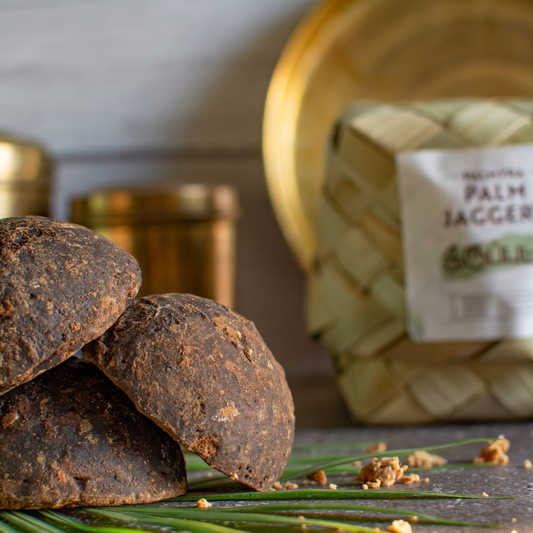
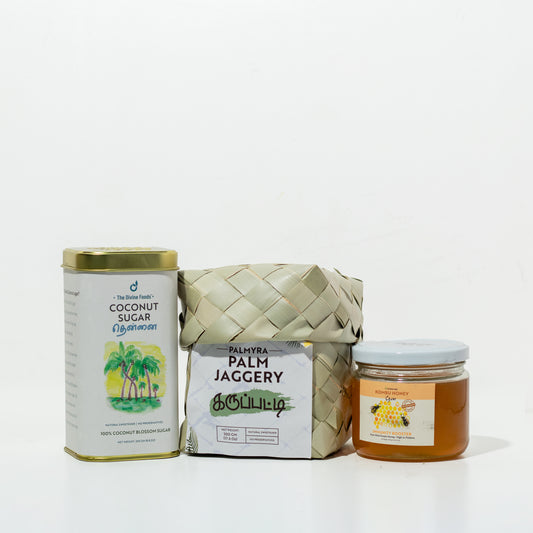
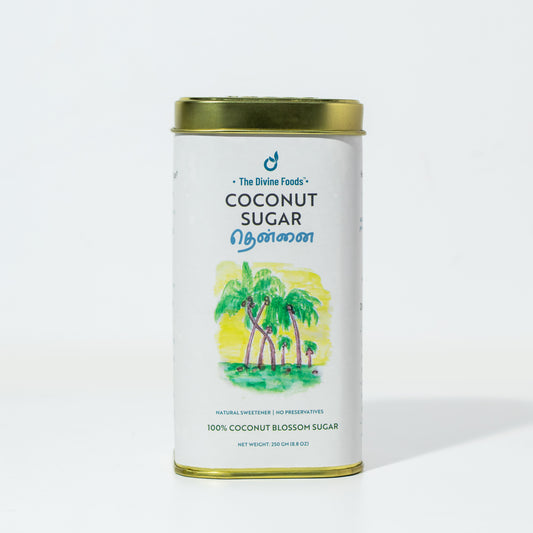
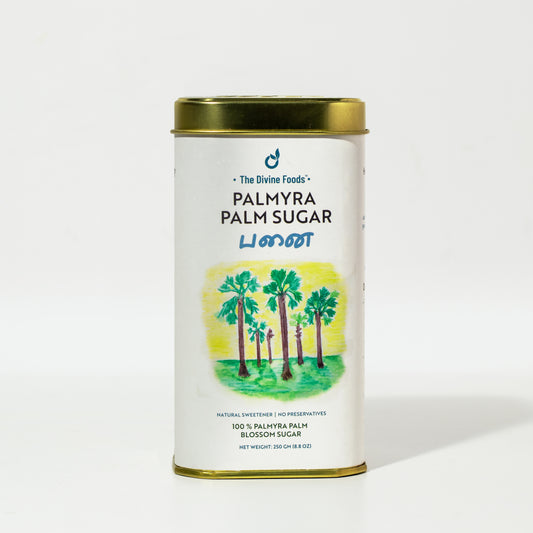
Karupatti palm jaggery powder is the everyday workhorse, good in coffee, tea, payasam and baking. Palm candy is the crystallised form, traditionally dissolved in warm water or milk and used for cough and throat relief. Palmyra palm sugar is finer and dissolves quickly, which suits cold drinks and desserts. Coconut sugar comes from coconut blossom sap rather than palm sap and has a mild caramel note that works well in coffee and baking. Sillukarupatti is ginger infused palm jaggery, a traditional Tamil remedy for cold, cough and indigestion. The Low GI Sweetener Kit brings the main ones together if you want to try before committing to a large pack.
Harvested in Tuticorin, Unrefined by Design
India has roughly 8.59 crore Palmyra palms and about 5.10 crore of them are in Tamil Nadu, most concentrated around Tuticorin. That is where our palm products come from, harvested on multi generation family farms in partnership with organic and non GMO growers. The sap is collected and reduced without chemical clarifying agents, which is why the colour is dark and the mineral content, iron, calcium, potassium and magnesium, stays intact. There is no refined sugar blended in, no artificial colour and no preservative. Non distilled and unrefined is the whole point.
Making the Switch
Palm jaggery is not a one to one swap by volume in every recipe. It is slightly less sweet than white sugar and carries a molasses like depth, so start with the same quantity and adjust. In coffee and tea it dissolves best if you add it to the hot liquid before milk. For baking, powder form mixes more evenly than block. Anyone managing blood sugar should still count it as a sweetener rather than treating it as free, the advantage is a lower glycemic load and retained minerals, not zero impact.
Related Collections and Reading
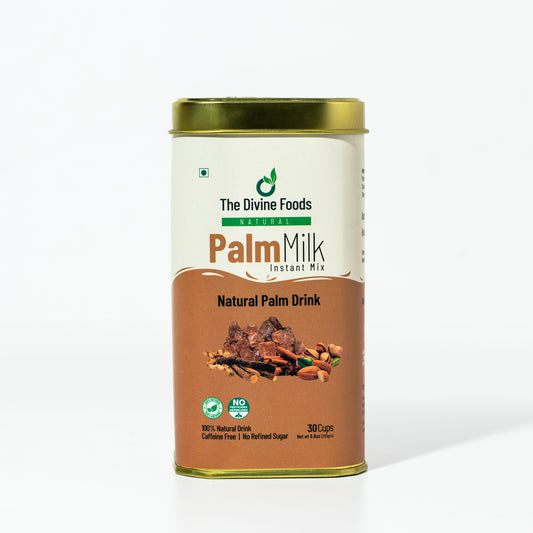
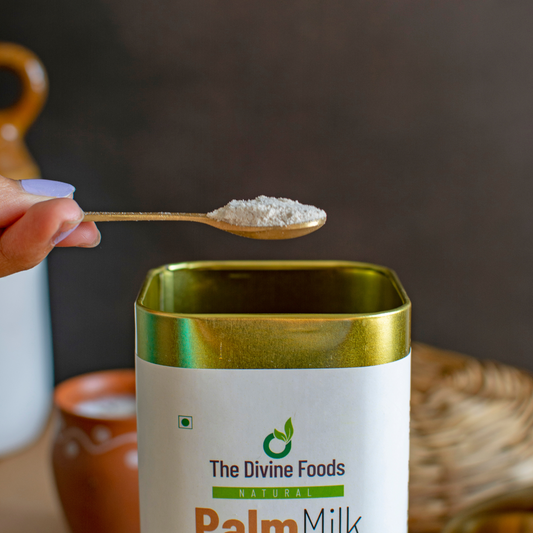
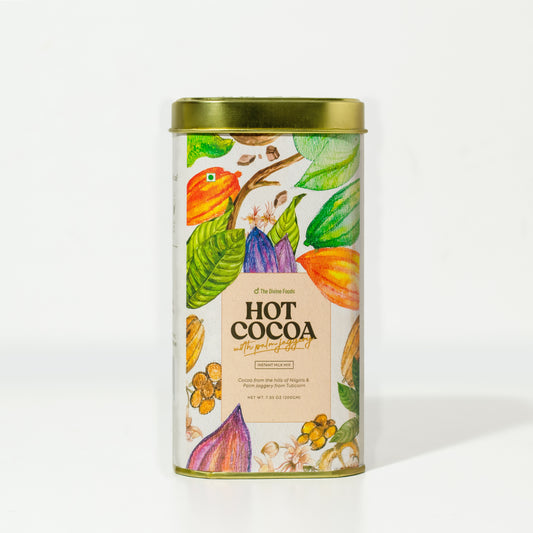
Honey and Spreads covers the other natural sweetening route. Divine Milk Mixes and Native Milk Mixes use these sweeteners in ready drinks. Weight Management groups the lower glycemic options together. On the blog we have written on the five top benefits of palm jaggery, three reasons to choose coconut and palm sugar over white sugar and what palm candy actually is. If you are moving a whole household off white sugar and want a starting order that makes sense, our team in Salem can suggest one.
Storage and Handling
Palm jaggery and palm sugar absorb moisture from the air, which is the single thing to manage. Keep them sealed in an airtight jar rather than the opened pouch, particularly through monsoon. If powder hardens into a block, it has taken on humidity, not spoiled, and breaking it up with a spoon or a short spell in a dry pan restores it. Palm candy is crystalline and keeps almost indefinitely if kept dry. Colour varies between batches from golden brown to nearly black depending on the harvest and reduction, which is normal for an unrefined product and is not a quality signal.
Frequently Asked Questions
Question: Is palm jaggery safe for diabetics?
Answer: It has a lower glycemic index than refined sugar, around 35 against 80, and retains minerals that refining strips out. That makes it a better choice, not a free one. It still raises blood sugar and should be counted. Anyone on diabetes medication should discuss carbohydrate changes with their doctor.
Question: What is the difference between palm jaggery, palm sugar and palm candy?
Answer: Same source, different processing. Jaggery is the reduced sap, dark and mineral rich. Palm sugar is finer and lighter, dissolving faster. Palm candy is the crystallised form, traditionally used for cough and throat relief.
Question: Can I substitute palm jaggery one for one in baking?
Answer: Start with the same quantity and adjust. It is slightly less sweet than white sugar and carries a molasses depth, so it changes flavour as well as sweetness. Powder form mixes more evenly than block.
Question: Why is coconut sugar in this collection if it is not palm?
Answer: It comes from coconut blossom sap rather than palmyra sap, but behaves the same way in the kitchen and carries a similar low glycemic advantage, so it belongs with the sweeteners rather than on its own.