Natural Body Coolant
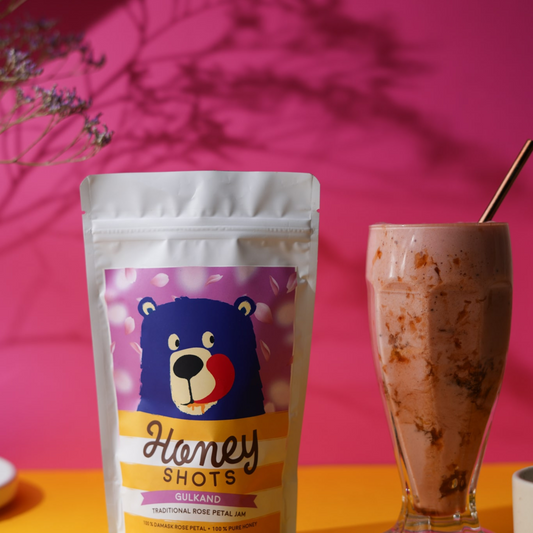
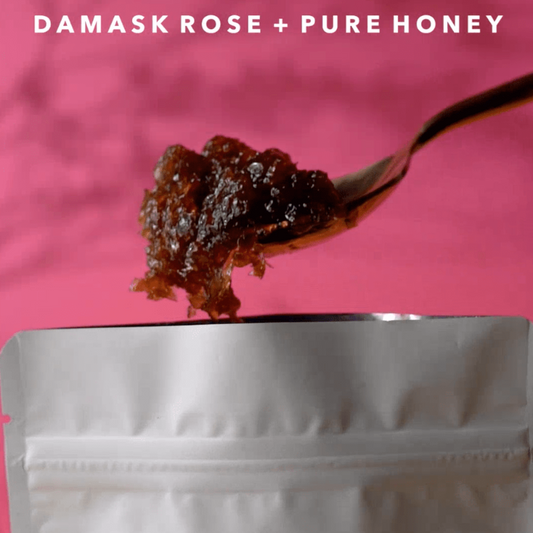
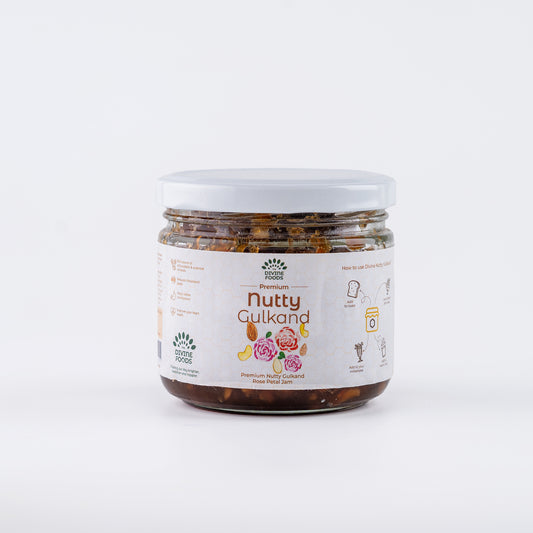
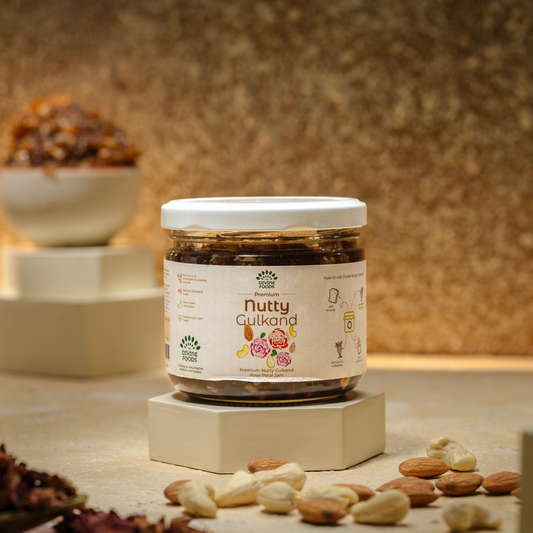
When the Indian summer peaks, traditional body coolants help you stay refreshed the natural way. This collection brings together cooling foods that South Indian households have trusted for generations, including Gulkand made from Damask rose, Amla, palm sugar and our Beat the Heat combo. These natural body coolants work from within, helping balance body heat without artificial drinks or sugary sodas. Each product is made from naturally sourced ingredients with no preservatives, artificial colour or refined sugar. Stir Gulkand into milk, sip a rose petal drink, or add palm sugar to your summer coolers. Discover authentic, food first ways to beat the heat and keep your body naturally cool through the hottest months.


- Featured
- Most relevant
- Best selling
- Alphabetically, A-Z
- Alphabetically, Z-A
- Price, low to high
- Price, high to low
- Date, old to new
- Date, new to old
From Tamil Nadu Farms to Your Kitchen
Body Coolant Foods for Summer Heat
Foods That Bring Body Heat Down
Body heat is treated as a real condition in Tamil households, and the response has always been food rather than medication. Excess heat shows up as mouth ulcers, skin rashes, disturbed sleep and general irritability, usually building through March to July. This collection groups the traditional cooling foods, most of which are eaten by the spoon or drunk as a milk mix rather than taken as anything medicinal.
What Is in the Collection
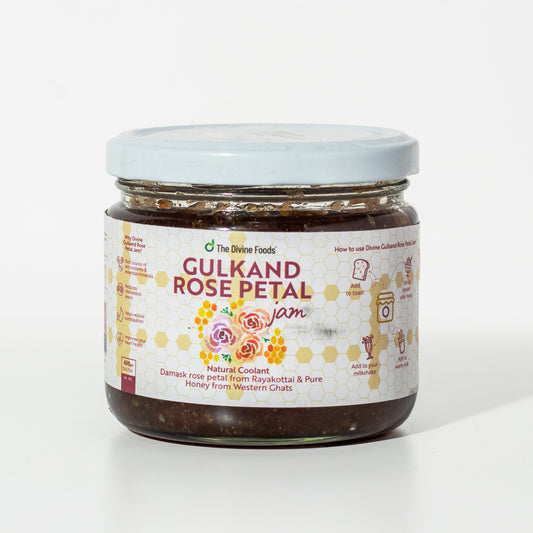
Gulkand is the primary product, Damask rose petals matured with honey rather than cooked with sugar syrup. It is the standard Tamil answer to body heat and is taken directly by the spoon. Gulkand honey is the same principle in a pourable form. Rose Petal Mix combines rose with beetroot as a daily milk drink, covering both cooling and skin. Paruthi Paal is traditionally considered cooling and works well through summer taken with cold milk. Palm candy dissolved in water is the simplest of the lot and is what most households used before anything was packaged.
Why Rose and Palm
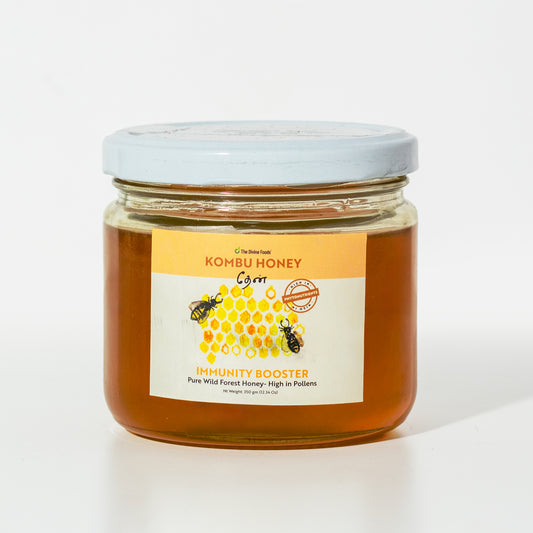
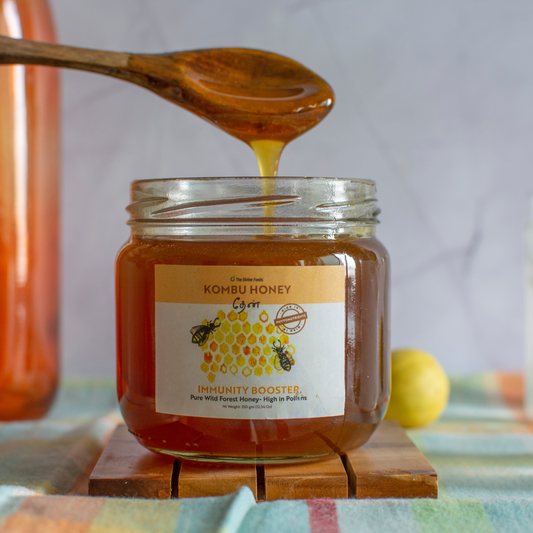
Damask rose is the variety used traditionally for Gulkand, not ornamental garden rose, and the difference shows in both aroma and effect. Our rose petals are matured with Western Ghats honey over time rather than boiled with sugar, which keeps the petal structure intact and avoids adding refined sugar to something meant to reduce heat. Palm candy and palm jaggery come from Tuticorin family farms. Nothing in this collection carries artificial colour or preservative, which matters because these are foods taken daily through an entire season.
How to Use Them Through Summer
One teaspoon of Gulkand a day is the standard, usually taken at night, and many households increase to two through peak summer. Rose Petal Mix works better with cold milk than hot in this season. Palm candy in water can be taken through the day. These are preventive rather than curative, meaning they work when taken consistently across the season rather than started once ulcers or rashes appear. If symptoms are severe or persistent, that is a doctor's question rather than a food one.
Related Collections and Reading
Beat the Heat groups the summer range seasonally. Women's Wellness includes Gulkand for cycle related heat. The Divine Glo covers the skin side. Honey and Spreads covers Gulkand in the honey context. On the blog we have written on why Gulkand is a natural coolant, spending a cooler summer with Gulkand, treating mouth ulcers with Gulkand and reducing body heat naturally with lemon. Our team in Salem can suggest a seasonal routine if you tell them what symptoms you usually get.
Recognising Body Heat and When to Act
Body heat shows up in fairly consistent ways, mouth ulcers, small skin rashes across the back and chest, disturbed sleep, burning eyes and general irritability. In Tamil Nadu it typically builds from March and peaks through May and June. The traditional approach is preventive, meaning these foods are started before symptoms appear rather than after. If you get ulcers every summer, start Gulkand in February rather than waiting for the first one. Persistent or severe symptoms are a doctor's question rather than a food one, particularly recurring mouth ulcers that do not heal within two weeks.
Frequently Asked Questions
Question: How much Gulkand should I take a day?
Answer: One teaspoon daily is standard, often increased to two through peak summer. It is taken directly rather than mixed into anything.
Question: Does Gulkand work for mouth ulcers?
Answer: It is the traditional remedy and works for heat related ulcers, taken daily rather than applied. Ulcers that persist beyond two weeks need medical attention regardless.
Question: Is this only relevant in summer?
Answer: Body heat is most common in summer but it is not only seasonal, since diet, sleep and stress all contribute. Many people take Gulkand year round at a lower amount.
Question: Can children have Gulkand?
Answer: Yes, in smaller amounts, and it is commonly given to children for summer heat. The Kids Special Kit includes it.