
Weight Loss Care
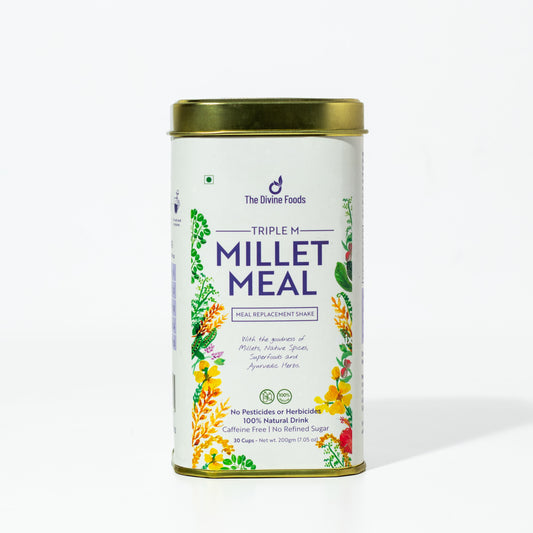
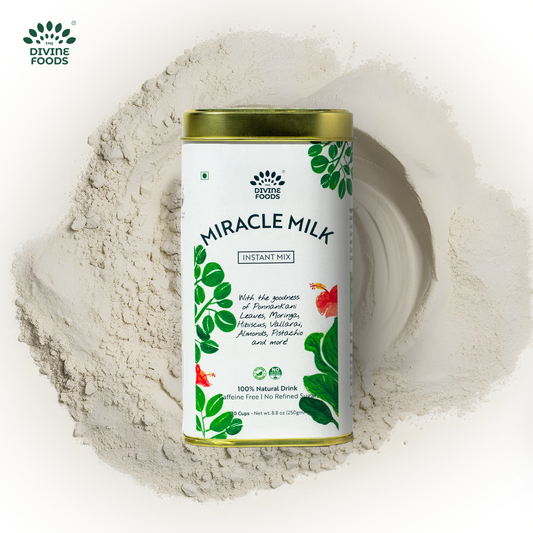
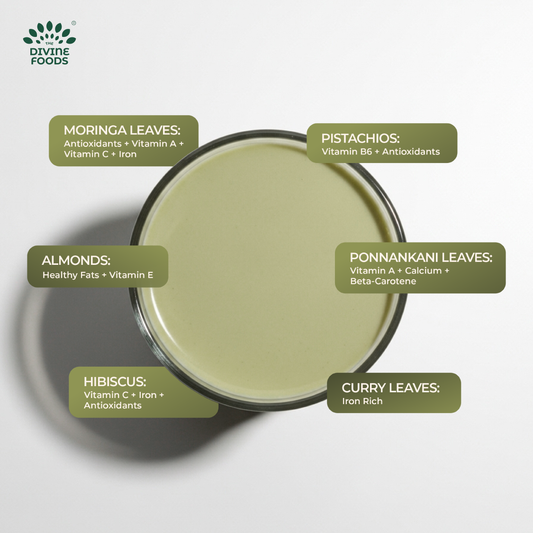
Healthy weight management starts with the right daily foods, not extreme diets. Our weight management collection brings together natural drinks and foods that support both healthy weight loss and healthy weight gain, including Moringa Miracle Milk, Triple-M millet meal shake, Maapillai mix and ABC Latte. Each one is built on naturally sourced Tamil Nadu ingredients, with no refined sugar, no artificial additives and no synthetic protein blends. Whether you want to lose weight gently with millet based meal replacements, or gain weight healthily with iron and protein rich drinks, the products here give you a food first route. Read the nutrition detail on each product and find the one that matches your goal.



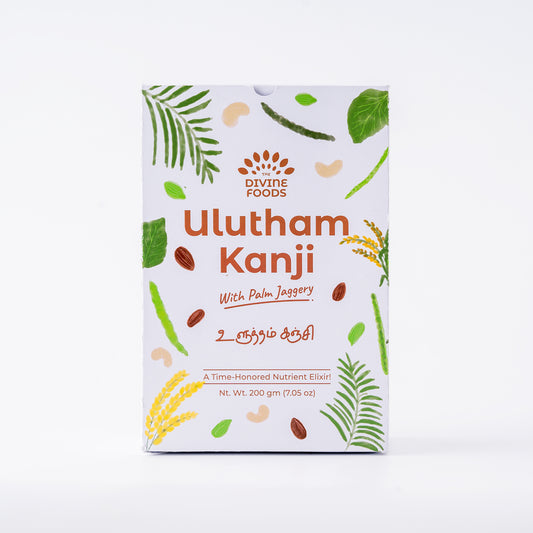
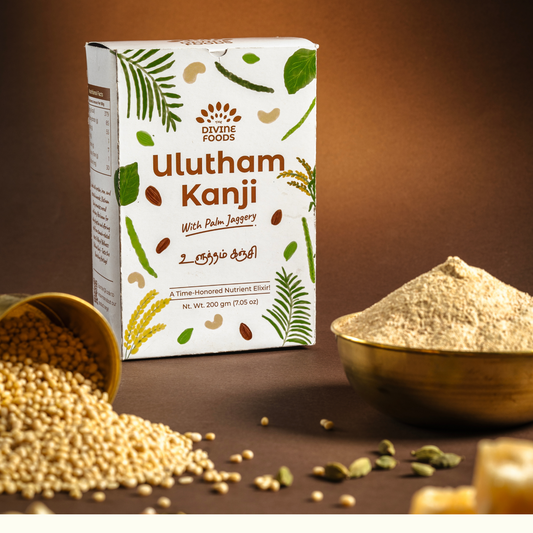

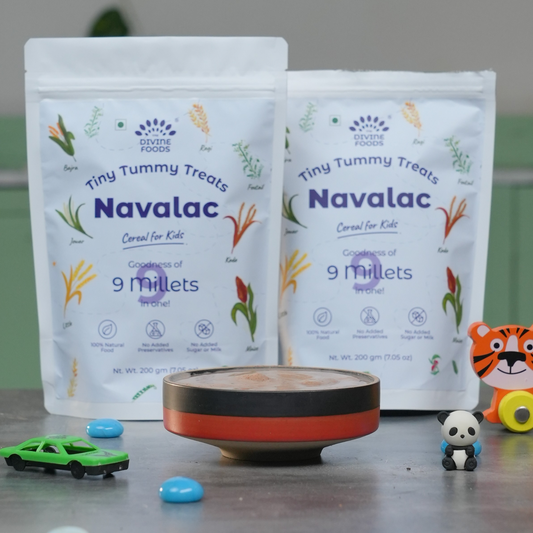
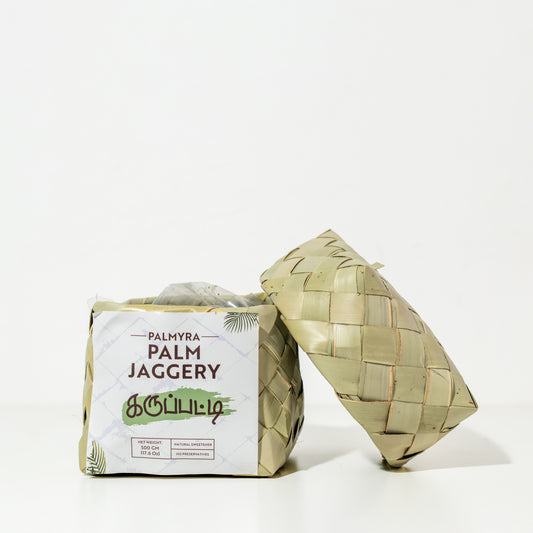

- Featured
- Most relevant
- Best selling
- Alphabetically, A-Z
- Alphabetically, Z-A
- Price, low to high
- Price, high to low
- Date, old to new
- Date, new to old
From Tamil Nadu Farms to Your Kitchen
Weight Loss Foods and Low GI Millets
Foods That Support Weight Management
Weight management through food works on two levers, glycemic load and satiety. Lower the first and raise the second and the rest tends to follow without much willpower involved. This collection groups the products that do one or both, mostly millets, low glycemic flours and unrefined sweeteners that replace higher impact versions of the same thing.
What Is in the Collection
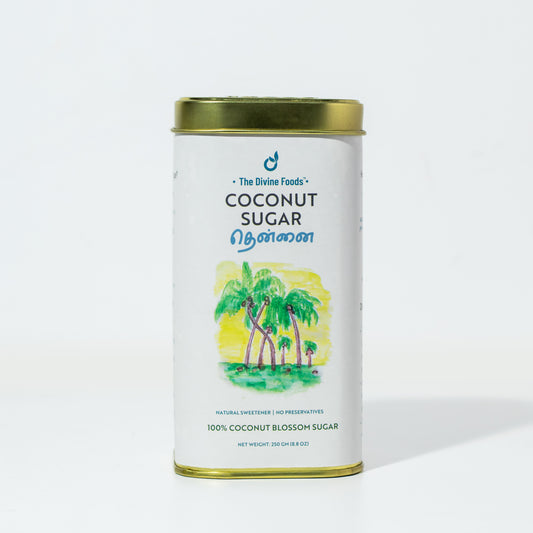
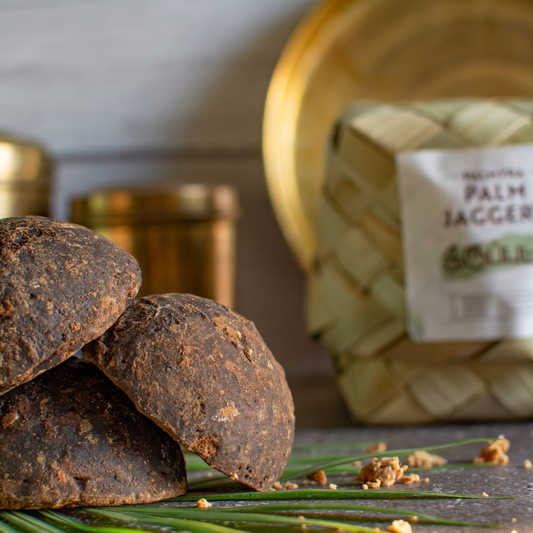
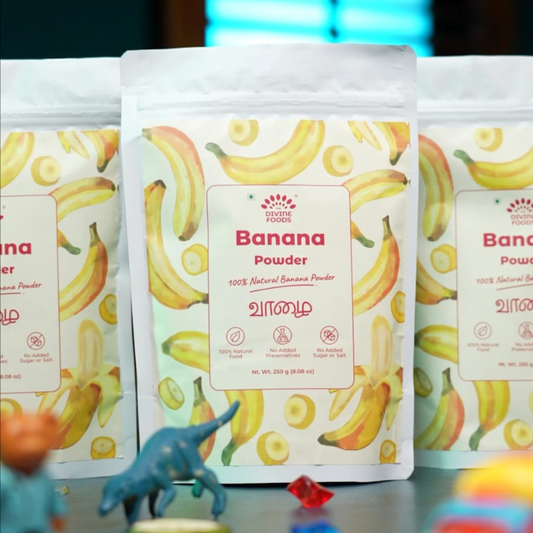
Triple M Millet Milk meal replacement shake is the main product, built on native millets which digest slowly and keep you full for longer than a wheat or rice breakfast does. Jackfruit powder from Panruti works as a low glycemic flour substitute and has become popular with people managing both weight and blood sugar. Raw banana flour brings resistant starch, which feeds gut bacteria and slows digestion. Palm jaggery and coconut sugar replace white sugar at roughly half the glycemic index. Moringa covers the micronutrient side, which is where restricted diets usually fall short.
Why Millets and Low GI Flours
Native millets, varagu, kodo, little millet and ragi, were the everyday grains across Tamil Nadu before rice and wheat took over, and they have a meaningfully lower glycemic response. Jackfruit powder from Panruti and raw banana flour work the same way as partial flour replacements in dosa, roti and porridge. Palm jaggery sits near 35 on the glycemic index against 80 for refined cane sugar. None of this is a fat burner or a metabolism booster, those claims do not survive scrutiny. These are foods that make a calorie deficit easier to hold because you are less hungry on them.
Using Them Realistically
Replace rather than add. A millet shake instead of breakfast, not alongside it. Jackfruit or banana flour replacing up to a quarter of your usual flour before texture changes noticeably. Palm jaggery instead of sugar, still counted as a sweetener rather than treated as free. Weight change from food swaps is gradual and shows over months, not weeks. Anyone on diabetes medication should tell their doctor before making significant carbohydrate changes, since dosing may need adjusting.
Related Collections and Reading
Super Breakfast covers the millet range in more depth. Powdered Superfoods covers jackfruit powder and raw banana flour. Natural Sweeteners covers the low glycemic sweetener options. Daily Diet covers the wider staple swaps. On the blog we have written on which millet is best for weight loss, available in Tamil, and three reasons to choose coconut and palm sugar over white sugar. Our team in Salem can suggest a starting combination if you tell them what your current breakfast looks like.
Setting Realistic Expectations
No food here burns fat, and any brand claiming otherwise is selling you something. What these do is make a calorie deficit easier to sustain, by keeping you full longer and by flattening the blood sugar spikes that drive afternoon snacking. That is a real mechanism and it works, but it works over months. Weigh weekly rather than daily, expect the first four weeks to show very little, and treat the millet shake as a replacement for breakfast rather than an addition to it, which is the single most common mistake people make with meal replacement products.
Frequently Asked Questions
Question: Will I lose weight just by switching to these?
Answer: Only if total intake drops. These make that easier by improving satiety and steadying blood sugar, but they do not create a deficit on their own.
Question: Is the millet shake a full meal?
Answer: It is designed to replace breakfast. For lunch or dinner it works better alongside vegetables and a protein rather than alone.
Question: Can diabetics use these?
Answer: They are generally well suited, since the whole collection is built around lower glycemic options. Anyone on diabetes medication should tell their doctor before making significant carbohydrate changes, as dosing may need adjusting.
Question: Which millet is best for weight loss?
Answer: Kodo and little millet both have a low glycemic response and high fibre. Our blog covers the comparison in Tamil, which is where most of the search interest for this sits.